
Cosmetic
Veneers
A veneer is a thin layer bonded over the front of a tooth to improve its shape, colour or position. Done well they look natural — and we’ll always tell you honestly whether veneers suit your teeth, or whether something simpler will do.
Families across Truganina, Mt Atkinson, Williams Landing, Point Cook and the rest of Melbourne’s west choose us for their veneers.
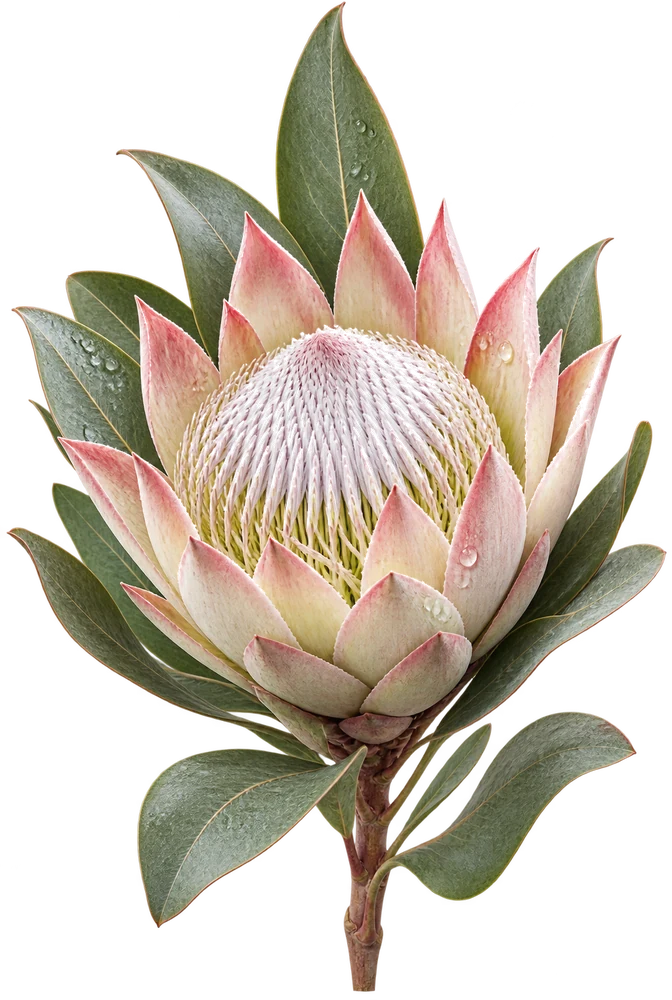
King protea — striking yet natural; a refined finish that still looks like you.
Composite or porcelain
There are two ways to do veneers, and they suit different situations, budgets and timeframes. Dr Sumaiya has a particular interest in this kind of work, and will talk you through which fits your teeth.
Composite veneers
Tooth-coloured resin shaped and bonded directly onto the tooth, often in a single visit. It usually needs little or no removal of the tooth surface, and can be polished or repaired later — the more conservative option.
Porcelain veneers
Thin, custom-made porcelain shells crafted to match your teeth and bonded on at a second visit. They’re more stain-resistant and hard-wearing, and usually involve preparing a small amount of the tooth surface first.
Honest first: veneers are a cosmetic choice, not a health necessity. Porcelain in particular means removing a little enamel, which can’t be undone — so we’ll only suggest veneers where they genuinely suit your teeth, and we’ll show you the alternatives, like whitening, bonding or alignment, first.
Are veneers right for me?
Veneers can help with a range of cosmetic concerns, but healthy teeth and gums come first. It may be worth a conversation if you recognise any of these:
Chipped or worn edges
Small chips or wear on the front teeth can be reshaped and restored so the edges look even again.
Discolouration that won’t whiten
Marks that sit within the tooth rather than on the surface don’t respond to whitening — a veneer can cover them.
Small gaps or slightly uneven teeth
Minor gaps or teeth that sit a little unevenly can be visually evened out, where full alignment isn’t needed or wanted.
Veneers work best on a healthy mouth. If there’s decay, gum disease or heavy grinding we’ll deal with that first — and if your goal could be met more simply, or a case sits beyond what we should treat, we’ll say so and refer you on where appropriate.
What to expect
Veneers usually take one or two visits depending on the material, and always start with a proper look at whether they suit you.
- 1Step one
Consultation
We assess your teeth and gums, talk through the look you’re after, and recommend composite or porcelain — with the cost in writing before anything begins.
- 2Step two
Shade & planning
We match the shade and shape to your own teeth. Where whitening is planned, it’s usually done first, so the veneers are matched to your brighter natural shade.
- 3Step three
Composite, in one visit
Composite veneers are shaped and bonded directly onto the teeth in a single appointment, then polished to a natural finish.
- 4Step four
Porcelain, at a second visit
For porcelain, the teeth are lightly prepared and an impression taken; your custom veneers are made and bonded at a follow-up visit, with a temporary in between where needed.
What it costs
Veneers are priced per tooth and by the material you choose — composite or porcelain. As always, you’ll get a written quote after we’ve assessed your teeth, before any treatment begins.
Health funds & veneers
Cosmetic treatment is generally not covered. If you have extras cover, ask us to check — we claim anything covered on the spot through HICAPS.
Interest-free options
Larger treatment can be spread over time rather than paid upfront — just ask.
No surprise additions
Your quote covers the plan agreed. If something changes clinically, we discuss it before it affects the cost.
Benefits
Why consider it
- Can restore the shape of teeth that are chipped, worn or slightly uneven.
- Can cover discolouration that doesn’t respond to whitening.
- Two materials to suit different needs — composite, often in one visit, or custom-made porcelain.
- Composite veneers often need little or no removal of the tooth surface.
- Matched to the shade and shape of your own teeth for a natural look.
Recovery
Aftercare & recovery
Veneers are looked after much like your own teeth — a few simple habits keep them looking their best.
- Brush twice a day and floss gently around each veneer as usual.
- Avoid biting hard objects like pens, nails or ice — veneers can chip like natural teeth.
- A nightguard may be recommended if you grind or clench, to protect them.
- Limit staining foods and drinks; composite in particular can pick up stain over time.
- Keep up regular check-ups so we can review the veneers and your gum health.
- Composite can usually be polished or repaired; porcelain is replaced if damaged. Results and longevity vary between individuals.
General guidance only — your dentist will give you instructions specific to your treatment and circumstances.

Meet your dentist
Dr Sumaiya Pathan
Dr Sumaiya Pathan brings more than 10 years of Australian clinical experience, having cared for patients across both metropolitan and regional communities — from Sydney to Broken Hill and across metropolitan Melbourne. That range matters: it teaches you to be thorough, and to treat the person rather than just the tooth.
She provides the full range of general and cosmetic dental treatments, and is known for a gentle, unhurried approach — taking the time to explain every option clearly, including the option to wait where that is clinically reasonable.
Cover & claiming
We accept all major health funds
Health funds generally don’t cover cosmetic treatment such as veneers. For your other dental care, Allura Dental in Truganina claims on the spot through HICAPS where your cover applies, and interest-free payment options are available.






… and every other Australian fund.
Reviews
See what our patients say
We let our patients speak for themselves — read their unedited reviews on Google.
In line with AHPRA advertising guidelines, we don’t publish ratings or reproduce reviews about clinical treatment on our own site.
Questions
Veneers FAQs
What’s the difference between composite and porcelain veneers?
Composite veneers are built up from a tooth-coloured resin and bonded directly onto the tooth, often in a single visit, usually with little or no removal of the tooth surface. Porcelain veneers are thin, custom-made shells crafted to match your teeth and bonded on at a second visit — more stain-resistant and hard-wearing, but usually involving preparing a small amount of enamel first. We’ll explain which suits your teeth, your goals and your budget.
Do veneers damage your teeth?
Composite veneers often need little or no removal of the tooth surface, so they’re a more conservative option. Porcelain veneers usually involve removing a small amount of enamel to make room for the shell, and that step can’t be undone — which is why we talk it through fully first, and only recommend veneers where they genuinely suit your case.
How long do veneers last?
It varies between people and depends on the material and how they’re looked after. Composite veneers can usually be polished or repaired over time; porcelain tends to be more hard-wearing but is replaced rather than repaired if it’s damaged. Good daily cleaning, not biting hard objects, and regular check-ups all help them last.
Will veneers look natural?
That’s the aim — veneers are matched to the shade and shape of your own teeth so they blend in, and we plan the look with you beforehand. What veneers can achieve depends on your starting point, which is exactly what the consultation is for.
Can I whiten my teeth before veneers?
Often, yes — and it’s usually best done first. Whitening changes natural teeth, not veneers, so we whiten to a shade you’re happy with and then match the veneers to it, which keeps everything consistent afterwards.
Does my health fund cover veneers?
Veneers are usually considered cosmetic, so most health funds don’t contribute — unlike a filling or crown that’s clinically necessary. We’ll be upfront about this and give you the cost in writing before you decide. Where a tooth genuinely needs restoring for health reasons, we’ll explain what that means for your cover.
Related
You may also be considering
Teeth Whitening
Often the simpler first step — and usually done before veneers so the shades match.
Crowns & Bridges
For a tooth that needs full coverage or rebuilding, rather than a facing on the front.
Tooth-coloured Fillings
The same natural-looking bonding, used to repair a tooth rather than reshape it.
Cost & Pricing
How our fees work, and why cosmetic treatment usually isn’t claimable.
This page is general information, not dental advice. Individual suitability — and the results achievable in your case — can only be assessed by a registered dentist in person. Outcomes vary between patients.
Find us
Visit us in Truganina
22 Bradshaw Street, Truganina VIC 3029 · on-site parking · Get directions →
Book Your Visit
Ready when you are.
A consultation, an honest assessment, and a clear price before anything begins — book online, call, or send us a message.