

Orthodontics
Braces, clear aligners & Invisalign
Straighter teeth are easier to clean, more comfortable to bite with, and — for most people — the thing they’d change first. We’ll tell you honestly which approach suits your teeth, and what it costs, before you commit to anything.
Families across Truganina, Mt Atkinson, Williams Landing, Point Cook and the rest of Melbourne’s west choose us for their braces and clear aligners.

Lomandra blades — straight and even; alignment, gently guided.
Two routes to the same result
Orthodontic treatment moves teeth gradually into a better position using steady, gentle pressure. How that pressure is applied is where braces and aligners differ — and the right choice depends on your teeth, not on which is more fashionable.
Clear aligners (including Invisalign)
A series of custom-made, near-invisible trays worn about 20–22 hours a day and swapped every week or two. You take them out to eat and to clean your teeth, which makes hygiene far easier. Well suited to mild-to-moderate crowding, spacing and alignment — and to people who will genuinely wear them, because results depend entirely on that.
Traditional braces
Small brackets bonded to the teeth and connected by a wire, adjusted at regular visits. Because they’re fixed, they work continuously without relying on you to remember — and they handle complex movements, significant rotations and bite corrections that aligners can struggle with.
What we won’t do: recommend aligners simply because you asked for them. If your case needs braces to get a stable, healthy result, we’ll say so and explain why — and if it sits beyond what we should be treating, we’ll refer you to a specialist orthodontist rather than attempt it.
Is orthodontic treatment right for me?
Straightening is often assumed to be cosmetic. Frequently it isn’t — crowded or misaligned teeth are harder to clean and wear unevenly over time. It may be worth a conversation if you recognise any of these:
Crowding or overlap
Teeth that sit on top of one another trap plaque in places floss can’t reach, which shows up later as decay and gum problems.
Gaps or shifting
Spaces that have opened up over time, or teeth that have moved since you last had braces as a teenager.
Uneven wear or jaw discomfort
A bite that doesn’t meet evenly can wear enamel down on some teeth and contribute to jaw and muscle soreness.
Healthy gums and teeth come first. If there’s active decay or gum disease, we’ll treat that before starting — moving teeth through an unhealthy foundation causes problems rather than solving them.
What to expect
Four stages, in order — so you know what happens next at every point.
-
1Step one
Consultation & 3D scan
We examine your teeth, gums and bite, then take a full-mouth 3D scan and any X-rays needed. You’ll see your own scan on screen — including exactly which teeth are the problem.
-
2Step two
Your options, with prices
We explain which approaches would genuinely work for your case, how long each takes, and what each costs — in writing, before you decide. Including the option of doing nothing.
-
3Step three
Treatment begins
Aligners are made to your scan and issued in stages; braces are fitted in a single appointment. Either way you’ll know how often you need to come in.
-
4Step four
Retainers
Teeth drift back without one — this is the step people skip and later regret. We’ll fit a retainer at the end and explain exactly how long to wear it.
What it costs
Orthodontic treatment is priced by case, not by a menu — how far teeth need to move genuinely changes the cost. What we can promise is that you’ll have a written quote before anything starts.
Health fund rebates
Orthodontics usually sits under a separate limit from general dental, often with its own waiting period. We’ll give you the item numbers to check with your fund.
Interest-free payments
Treatment runs over months, and payments can too. Ask about interest-free options so the cost is spread rather than upfront.
No surprise additions
Your quote covers the treatment plan agreed. If something changes clinically, we discuss it with you before it affects the cost.
Questions
Braces & aligners FAQs
How long does treatment take?
It depends entirely on how far your teeth need to move. Minor corrections can take a matter of months; comprehensive cases commonly run one to two years. We’ll give you a realistic estimate at your consultation once we’ve seen your 3D scan — and we’d rather quote you an honest timeframe than a flattering one.
Are clear aligners as effective as braces?
For mild to moderate cases, aligners can achieve excellent results. For complex movements — significant rotations, large gaps, or bite corrections — fixed braces still do things aligners can’t do reliably. Aligners also only work while they’re in your mouth, so they suit people who’ll commit to wearing them 20–22 hours a day. We’ll tell you honestly which category your case falls into.
Does it hurt?
Not sharply, but expect pressure and tenderness for a few days after braces are fitted or when you move to a new aligner — that feeling is the treatment working. Most people manage with soft food and over-the-counter pain relief. If something rubs or feels wrong, call us; a small adjustment usually fixes it, and you shouldn’t have to put up with it.
Am I too old for braces or aligners?
No. Teeth can be moved at any age, provided your gums and bone are healthy — and a growing number of our orthodontic patients are adults, often people whose teeth have shifted since childhood braces. Healthy foundations matter far more than your age.
Will my teeth move back afterwards?
They will, if you don’t wear a retainer. Teeth have a genuine tendency to drift back towards their old position, particularly in the first year. A retainer is part of the treatment, not an optional extra — we’ll fit one at the end and tell you exactly how long and how often to wear it.
Can I eat normally with aligners?
Yes — you take them out to eat, which is one of their real advantages. Two rules: only water goes in while they’re worn (anything else stains or damages them), and brush before putting them back in, since sealing sugar against your teeth for hours is a fast route to decay.
Does my health fund cover orthodontics?
Many extras policies include orthodontics, but usually under a separate lifetime or annual limit from general dental, and often with a longer waiting period. It’s worth checking before you start. We’ll give you a written plan with item numbers so you can confirm your entitlement with your fund, and we claim on the spot through HICAPS.
Do I need a referral to a specialist orthodontist?
Not to see us for an assessment — book directly. Many cases are treated perfectly well in general practice. If yours would be better handled by a specialist orthodontist, we’ll tell you that at the consultation and refer you. We’d rather send you to the right person than keep treatment we shouldn’t be doing.
Related
You may also be considering
Teeth Whitening
Often done after alignment, once teeth are in their final position.
Check-ups & Cleaning
Healthy gums come first — the foundation any orthodontic treatment relies on.
Custom Mouthguards
Including night guards, if grinding is contributing to uneven wear.
Emergency Dentistry
Broken bracket or poking wire? Call us — we’ll fit you in.
This page is general information, not dental advice. Individual suitability for orthodontic treatment — and the results achievable in your case — can only be assessed by a registered dentist in person. Outcomes vary between patients.
Benefits
Why consider it
- Can help straighten teeth and correct bite concerns.
- Braces and clear aligner options to suit different cases.
- Clear aligners are removable and less noticeable than braces.
- Your dentist will advise which approach suits your needs.
Recovery
Aftercare & recovery
Teeth can feel tender after adjustments or new aligners, and consistent wear matters.
- Mild soreness is common for a few days after adjustments.
- Wear aligners for the hours recommended and remove them to eat.
- Clean carefully around braces or clean aligners as instructed.
- Avoid hard or sticky foods that can damage braces.
- Wear your retainer as directed to help maintain results.
General guidance only — your dentist will give you instructions specific to your treatment and circumstances.
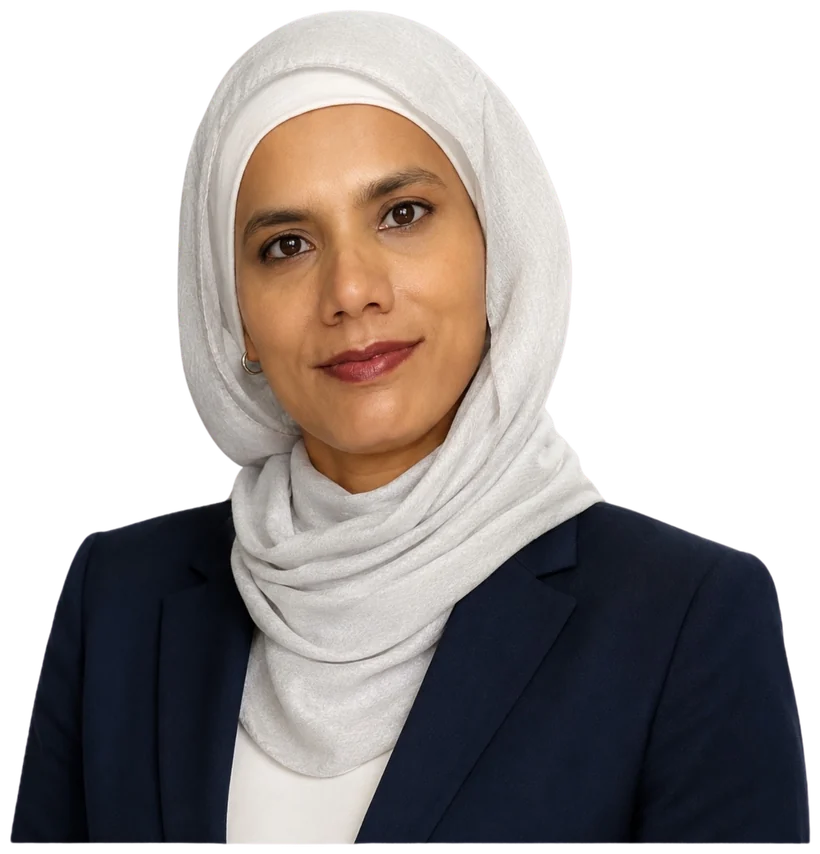
Meet your dentist
Dr Sumaiya Pathan
Dr Sumaiya Pathan brings more than 10 years of Australian clinical experience, having cared for patients across both metropolitan and regional communities — from Sydney to Broken Hill and across metropolitan Melbourne. That range matters: it teaches you to be thorough, and to treat the person rather than just the tooth.
She provides the full range of general and cosmetic dental treatments, with a particular interest in smile makeovers using clear aligners and veneers — and is known for a gentle, unhurried approach, taking the time to explain every option clearly, including the option to wait where that is clinically reasonable.
Cover & claiming
We accept all major health funds
We’re a HICAPS practice, so you claim on the spot and settle only the gap on the day. Allura Dental is also a participating nib No Gap dentist and First Choice provider, for eligible nib Extras members. Eligible children can be bulk-billed under Medicare’s Child Dental Benefits Schedule (CDBS), and interest-free payment options are available.






… and every other Australian fund.
Reviews
See what our patients say
We let our patients speak for themselves — read their unedited reviews on Google.
In line with AHPRA advertising guidelines, we don’t publish ratings or reproduce reviews about clinical treatment on our own site.
Find us
Visit us in Truganina
22 Bradshaw Street, Truganina VIC 3029 · on-site parking · Get directions →
Book Your Visit
Find out what would actually work for your teeth.
A consultation, a 3D scan, and a straight answer about your options and their cost — before you commit to anything.