
Everyday & preventive
Sealants & fluoride
The cheapest dentistry is the kind you never need. Sealants and fluoride are quick, gentle preventive steps — especially valuable for children — that stop decay before it has a chance to start.

Dewy leaf — a fine protective coat that seals and shields.
Two simple layers of protection
Both are fast, comfortable and done at a normal visit. They work by sealing out the bacteria that cause decay and strengthening the enamel against them.
Fissure sealants
A thin protective coating flowed into the deep grooves of the back teeth, where a toothbrush can’t reach and decay usually starts — sealing them off.
Fluoride
A quick professional application that strengthens the enamel and helps reverse the very earliest signs of decay before they become a cavity.
Prevention, honestly: these aren’t for every tooth or every person — we suggest them where they genuinely reduce risk, not as an automatic add-on.
Who benefits most
Sealants and fluoride give the best return where the risk of decay is highest. They’re especially worth it for:
Children’s new adult molars
The back teeth that come through around age 6 and 12 have deep grooves and are prime targets for decay — sealing them early protects them for years.
Anyone prone to decay
If you or your child tend to get cavities, these preventive steps tip the odds back in your favour.
Sensitive or early-worn teeth
Fluoride helps strengthen enamel and can ease sensitivity, and address the very earliest decay before it needs a filling.
For eligible children, this kind of preventive care can be bulk-billed under Medicare’s CDBS — we check eligibility for you.
What to expect
Both are done in minutes, with nothing to numb and no drilling.
- 1Step one
Clean & dry
The tooth is cleaned and dried so the sealant or fluoride bonds well.
- 2Step two
Seal the grooves
Sealant is flowed into the grooves of the back teeth and set with a light — no drilling, and done in a couple of minutes per tooth.
- 3Step three
Apply fluoride
Fluoride is applied to strengthen the enamel; you simply avoid eating and drinking for a short while afterwards.
- 4Step four
Check at each visit
We check sealants at your routine visits and top them up if they’ve worn.
What it costs
Sealants and fluoride are among our lower-cost, highest-value treatments, and they’re on the price list. Eligible children can have preventive care bulk-billed under Medicare’s CDBS with no gap to pay.
Health fund rebates
All major Australian funds accepted and claimed on the spot through HICAPS — you settle only the gap.
Interest-free options
Larger treatment can be spread over time rather than paid upfront — just ask.
No surprise additions
Your quote covers the plan agreed. If something changes clinically, we discuss it before it affects the cost.
Benefits
Why consider it
- Sealants can protect the grooves of back teeth from decay.
- Fluoride helps strengthen enamel against decay.
- Quick, non-invasive and often used for children’s teeth.
- Supports prevention as part of routine care.
Recovery
Aftercare & recovery
There is very little aftercare, and normal eating usually resumes quickly.
- Avoid eating or drinking for a short time if advised after fluoride.
- Keep brushing twice a day and clean between teeth.
- Sealants can wear over time, so your dentist will check them at visits.
- Continue limiting sugary snacks and drinks.
General guidance only — your dentist will give you instructions specific to your treatment and circumstances.
Meet your dentist
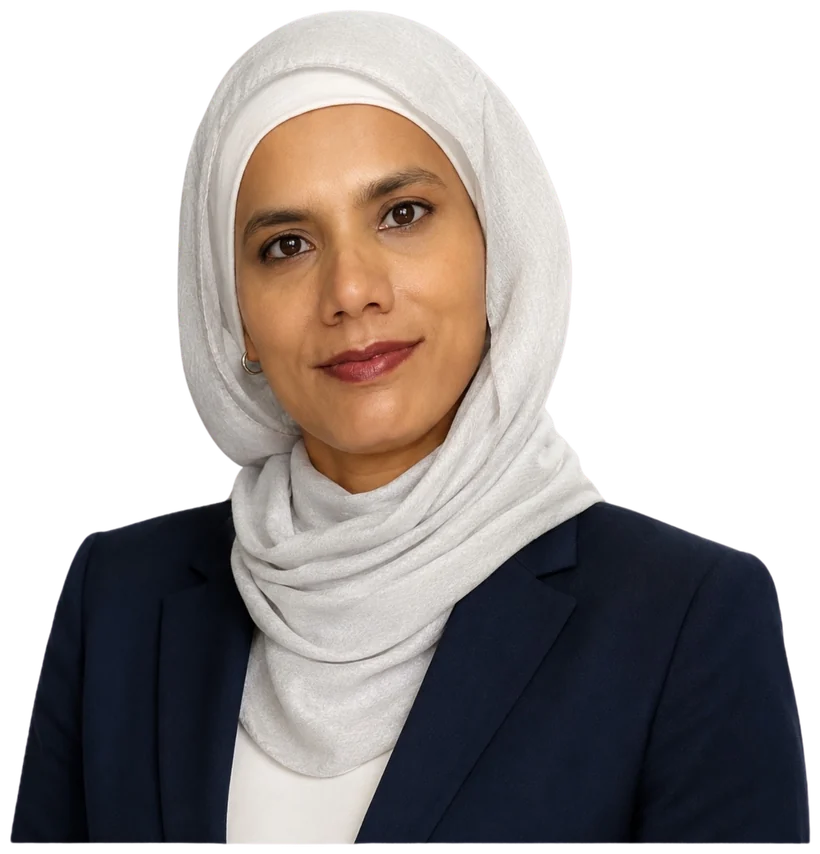
Dr Sumaiya Pathan
Dr Sumaiya Pathan brings more than 10 years of Australian clinical experience, having cared for patients across both metropolitan and regional communities — from Sydney to Broken Hill and across metropolitan Melbourne. That range matters: it teaches you to be thorough, and to treat the person rather than just the tooth.
She provides the full range of general and cosmetic dental treatments, and is known for a gentle, unhurried approach — taking the time to explain every option clearly, including the option to wait where that is clinically reasonable.
Cover & claiming
We accept all major health funds
We’re a HICAPS practice, so you claim on the spot and settle only the gap on the day. Allura Dental is also a participating nib No Gap dentist and First Choice provider, for eligible nib Extras members. That network is nib’s preferred provider arrangement for dental, so an nib Extras policy goes further here. Eligible children can be bulk-billed under Medicare’s Child Dental Benefits Schedule (CDBS), and interest-free payment options are available.






… and every other Australian fund.
Reviews
See what our patients say
We let our patients speak for themselves — read their unedited reviews on Google.
In line with AHPRA advertising guidelines, we don’t publish ratings or reproduce reviews about clinical treatment on our own site.
Questions
Sealants & Fluoride FAQs
What exactly is a fissure sealant?
It’s a thin protective coating painted into the deep grooves on the biting surface of the back teeth — the spots a toothbrush can’t clean properly and where decay most often starts. Sealing them keeps food and bacteria out. It’s quick, and needs no drilling.
Does it hurt?
Not at all — there’s no drilling and nothing to numb. The tooth is cleaned and dried, the sealant is applied and set with a light, and fluoride is simply painted on. Most children don’t mind it in the least.
Are sealants and fluoride just for children?
Children benefit most, because sealing new adult molars protects them from the start. But adults prone to decay, or with deep grooves or early enamel weakness, can benefit too — we’ll suggest it where it genuinely reduces your risk.
Is fluoride safe?
Yes — professional fluoride is applied in a controlled amount by a dentist and is a well-established way to strengthen enamel and prevent decay. We use it where it helps, and we’re happy to talk through any questions you have.
How long do sealants last?
Several years typically, though they can wear or chip with heavy chewing. We check them at routine visits and simply top them up if needed — a quick, inexpensive way to keep the protection in place.
Related
You may also be considering
Children’s Dentistry & CDBS
Preventive care for kids, bulk-billed under CDBS for eligible children.
Check-ups & Cleaning
The routine visit where sealants and fluoride are checked and topped up.
Tooth-Coloured Fillings
For decay that has already taken hold, repaired discreetly.
Cost & Pricing
How CDBS, health funds and our fees work.
This page is general information, not dental advice. Individual suitability — and the results achievable in your case — can only be assessed by a registered dentist in person. Outcomes vary between patients.
Find us
Visit us in Truganina
22 Bradshaw Street, Truganina VIC 3029 · on-site parking · Get directions →
Book Your Visit
Ready when you are.
A consultation, an honest assessment, and a clear price before anything begins — book online, call, or send us a message.